
University of South Florida
Play Studio for Teachers
Making the art of teaching through play visible through real classroom video.

University of South Florida College of Education & Preschool for Creative Learning
Education & Nonprofit
Early Childhood Education
Early Childhood Educators, • Teacher Educators • Academic Researchers • Educational Administrators
Caplan Foundation for Early Childhood • University of South Florida College of Education • USF Preschool for Creative Learning/Preschool for Creative Learning (ERCCD)
Executive Summary
Teaching through play requires decisions in the moment: when to join children’s imaginary world, when to guide it from outside, and when to step back. The University of South Florida’s Play Studio for Teachers needed a way to make those teaching decisions visible to educators beyond its preschool classroom.
HCP Associates created the project’s logo, filmed authentic classroom interactions, and shaped the footage into 25 short instructional videos. We then built a dedicated website that organizes the examples around six teacher roles and the stages of play.
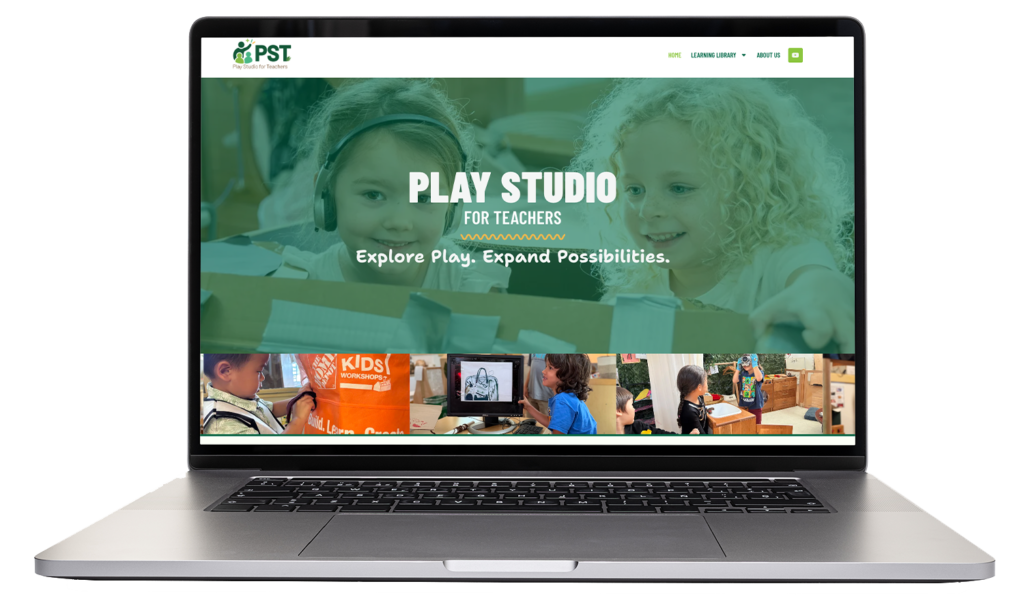
Educators can watch, study, and revisit real classroom moments alongside practical strategies and resources. The result is a professional learning library that gives USF’s framework a clear, accessible home: playstudioforteachers.org
Jolyn Blank, Ph. D.
Associate Professor of Early Childhood Education

Cassidy Lee
Director, USF Preschool for Creative Learning
Understanding the Landscape
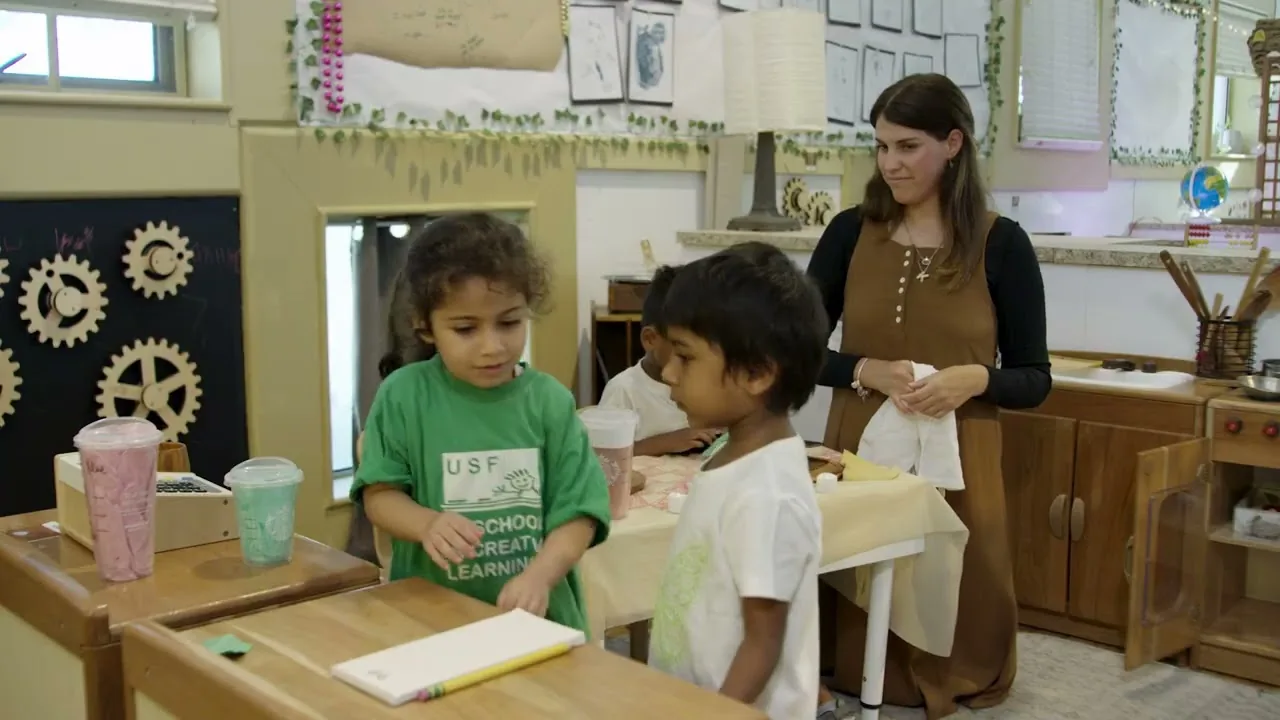
Guided dramatic play asks teachers to respond to children’s ideas while making purposeful choices about how to support their learning. Those decisions are difficult to convey through written guidance alone. Educators need to see how a teacher enters a scenario, extends it, or helps children reflect afterward.
USF’s College of Education and Preschool for Creative Learning developed Play Studio for Teachers to document these practices in action. Its framework describes six roles teachers can take before, during, and after play, including Co-Player, Play Leader, and Catalyst for Reflection.
HCP’s challenge was to capture the spontaneity of the classroom while making specific teaching moves clear enough for educators to study, then create a digital home where they could find the examples they need.
Strategy
HCP centered the content strategy on short, focused examples. Instead of asking educators to work through one long instructional film, each video would show a particular teacher role or strategy in the context of real play.
Our production team filmed in the preschool classroom over two days, capturing teachers and children across four play scenarios. Editors selected and shaped the footage into 25 short videos, allowing viewers to focus on one interaction at a time and return to it as they develop their practice.
HCP also designed the Play Studio for Teachers logo, giving the project a recognizable identity across the video library and website.

Marketing
HCP designed and built playstudioforteachers.org as the program’s public learning hub. Its Learning Library brings together the 25 videos with descriptions of the six teacher roles and practical strategies. Educators can follow the play cycle from planning before play through interaction and reflection, or explore a role individually. The site also introduces the approach, offers supporting resources, and acknowledges the Caplan Foundation for Early Childhood, whose support made the project possible.
Impact
Created a recognizable logo and visual identity for Play Studio for Teachers.
Captured authentic teaching and learning across two days of classroom filming.
Produced 25 short instructional videos illustrating six teacher roles and their strategies.
Built a dedicated website that organizes the examples by role and stage of play.
Made USF’s classroom examples and supporting resources available to educators through a public Learning Library.
What We Learned
The most useful teaching examples show judgment in context: the timing of a question, a shift into a role, or a moment when a teacher lets children lead. Working with USF showed how focused video can make those choices visible without reducing the complexity of classroom play. An organized digital home then lets educators return to the moments most relevant to their own practice.